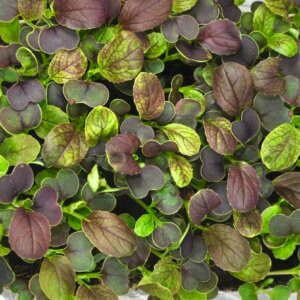
With its rich history, unmistakable aroma, and hundreds of unique varieties, thyme has earned its place as a treasured herb across cuisines. Its name comes from the Greek word thymos, meaning “strength,” reflecting the herb’s long-standing reputation in ancient medicine.
Beyond its culinary appeal, thyme is packed with vitamins A and C, essential minerals such as potassium, and powerful antifungal and antimicrobial properties. Today, it continues to be studied for its impressive anti-inflammatory potential.
One of the many benefits of growing in the Evogro system is herbs can be enjoyed straight from the cabinet at their strongest, with minimal nutritional loss. Meaning Evogrown thyme can be harvested at its most potent point.
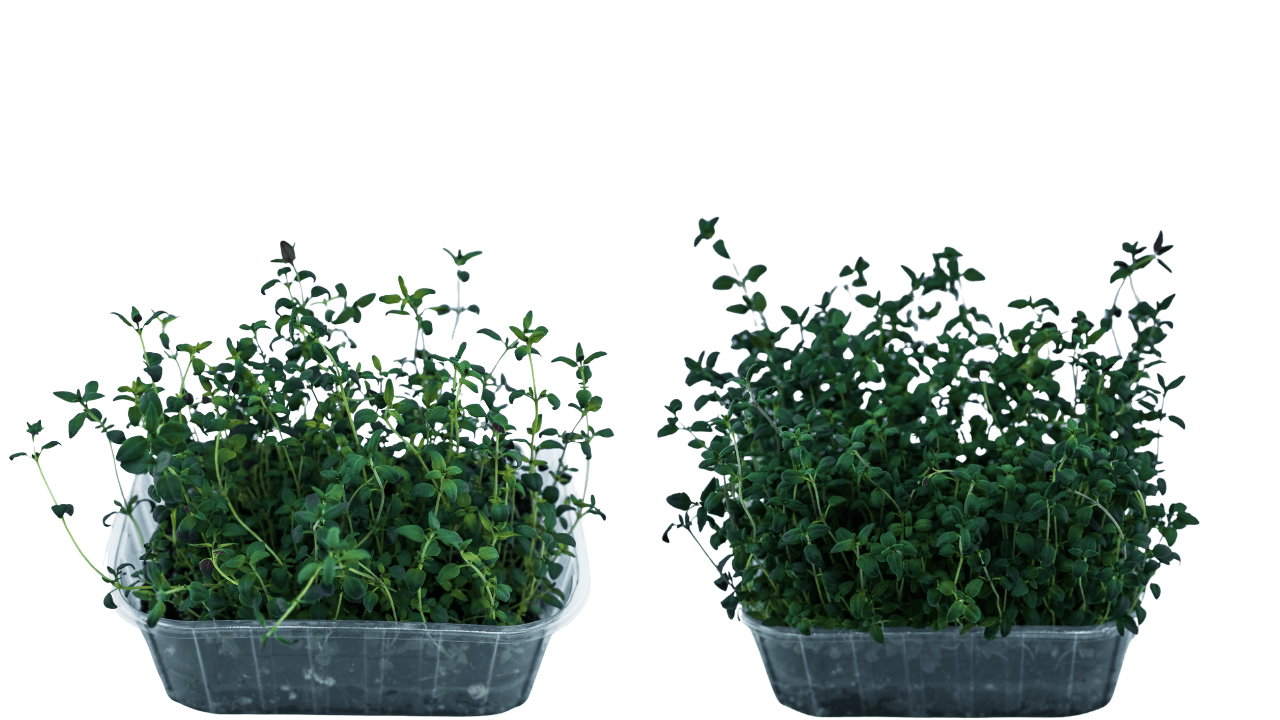
At Evogro, customer favourites are currently English Winter Thyme and French Summer Thyme. French Summer Thyme is known for its delicate flavour, with narrower, paler leaves and a lighter aroma, while English Winter Thyme features broader, deep green leaves and a more robust taste.
French Summer Thyme is also the more sensitive of the two varieties, requiring careful attention to temperature and watering.This makes the controlled growing environment the cabinet provides especially valuable, helping both varieties thrive year-round.
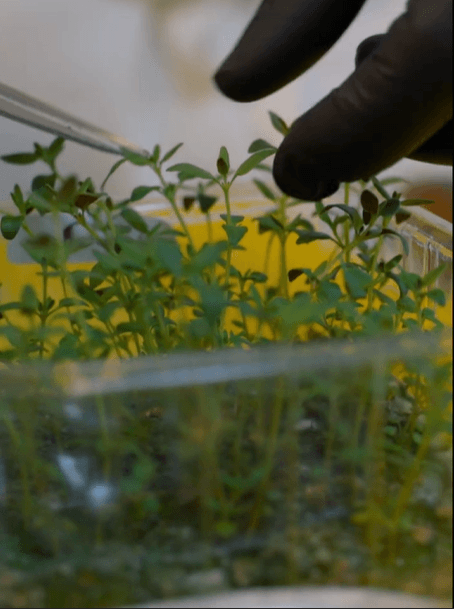
Thyme is an incredibly versatile herb, pairing with everything from hearty meats to lighter soups and sauces, making it a favourite among chefs. At The Royal Society, dishes featuring thyme showcase how timeless flavours can complement innovation and cutting-edge technology.
This chestnut espuma is infused with thyme oil and finished with delicate thyme garnishes, creating a dish that is both light and deeply flavourful. The espuma technique concentrates flavour without the heaviness of traditional sauces, allowing the richness of the chestnut to shine through.
This dish combines smoked salmon with ice cream infused with cucumber, basil, and mint. Using liquid nitrogen at temperatures between -80°C and -100°C, the mixture freezes almost instantly, locking in those flavours. The fresh thyme adds an aromatic note that balances the cool freshness of the dish.
Did you know, traditionally, thyme teas are used to soothe coughs, and aid digestion? Steep 1–2 teaspoons in a cup of boiling water for 5–15 minutes, then strain. For flavour, it can be incorporated with honey, or other herbs like lemon balm.
Get in touch with our grow team today to learn more.